
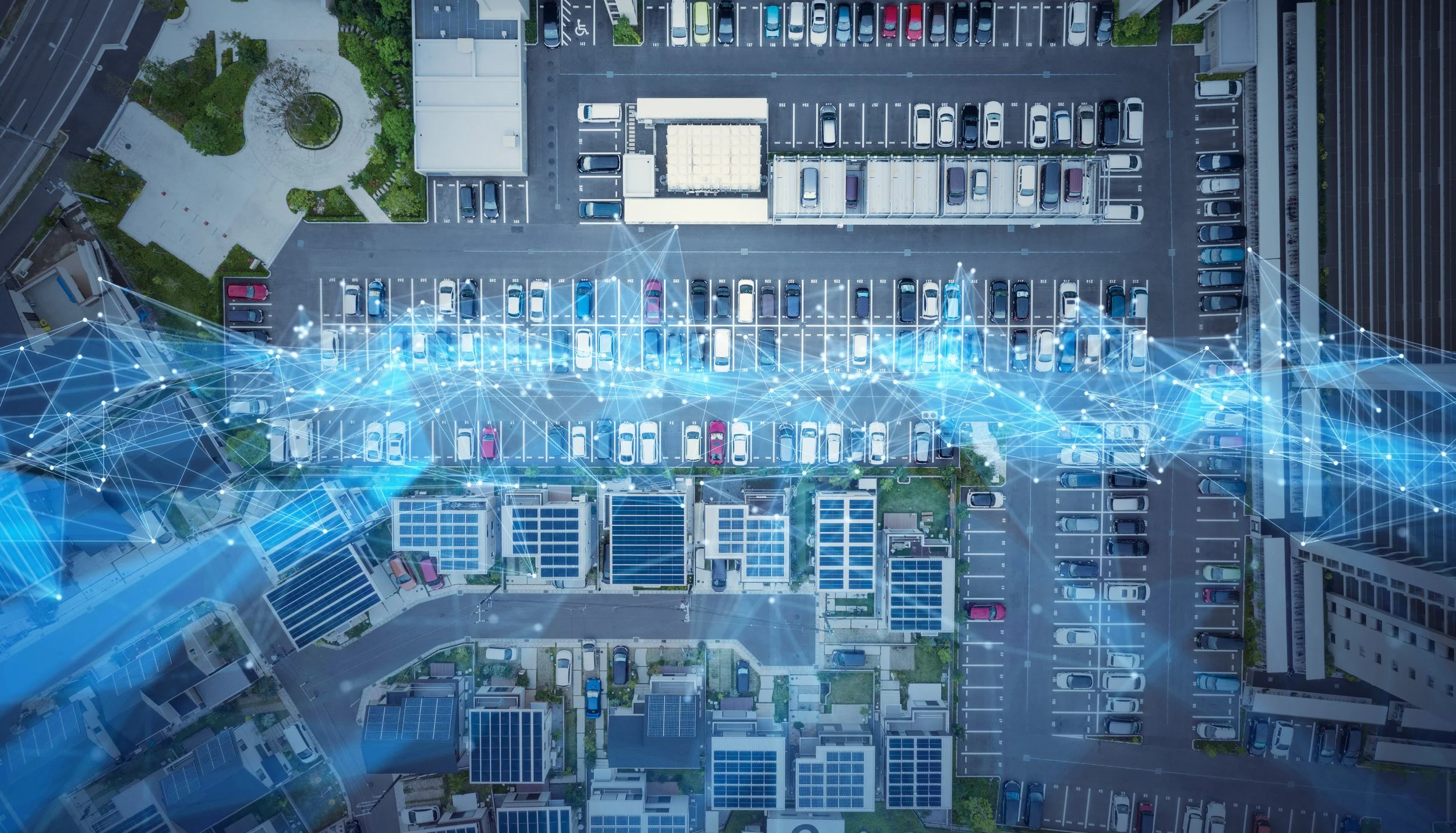
Parking infrastructure has evolved beyond individual pieces of equipment. As parking becomes more connected to property operations, customer experience, mobility, and data, organizations need infrastructure that brings these functions together within one integrated environment.
Parking is also playing a greater role in the overall property experience. As expectations for seamless, digital experiences grow, organizations are investing in parking infrastructure that can improve performance, strengthen the customer experience, and respond to changing operational needs.
Smart parking systems bring together connected hardware, management technology, and operational data. The goal is not simply to replace aging equipment with newer technology, but to create an environment where hardware, software, data, and operations work together. For drivers, that can mean fewer steps between arrival, payment, and departure. For operators, it can mean greater visibility and control across the parking operation.
The shift is from individual technologies performing separate functions to connected infrastructure that supports parking as a whole.
Why Does Connected Parking Infrastructure Matter?
Parking is often one of the first and last touchpoints people have with a property, shaping how convenient and welcoming the overall experience feels. It also influences how effectively organizations manage access, movement, and mobility across their sites.
Precise Parklink’s 2026 Parking Industry Survey Report reflects a growing preference for practical improvements over premium amenities. Respondents placed greater value on essentials such as signage, staff support, and mobile tools, while premium spaces and onsite activations ranked much lower. Increasingly, the expectation is not luxury—it is a parking experience with less friction.
Frictionless entry and exit, contactless payments, digital permits, and clear, timely information remain central to that experience. Meeting these expectations is becoming more complex as properties serve more user groups, manage larger portfolios, and face rising operational costs.
These pressures are also reflected in how organizations are prioritizing their parking infrastructure. Twenty-three per cent of respondents identified equipment automation and performance as their leading challenge, while 20% are prioritizing equipment reliability and maintenance to improve efficiency and reduce operational demands.
Together, these findings point to a broader shift. Organizations are not simply looking for newer equipment. They need infrastructure that is reliable, flexible, and designed for integration.
Responding to these demands requires parking hardware and software to function as one connected system. Integrated infrastructure creates the greatest value when access, payments, enforcement, data, and support services are brought together under one complete parking solution.
How Is Parking Technology Becoming More Connected?
Parking technology has advanced beyond traditional pay stations to connected hardware and software that integrate with management systems and support real-time data exchange.
Today, parking access and revenue control, license plate recognition (LPR), parking guidance, and EV charging stations can connect across the parking environment—creating a more intelligent parking and mobility ecosystem.
Precise Parklink’s 2026 Parking Industry Survey Report shows interest across a range of parking technologies, with LPR emerging as a leading priority for its ability to automate and connect enforcement, access, revenue control, and business intelligence.
Artificial intelligence (AI) is adding another layer of intelligence by helping organizations interpret data, identify patterns, anticipate maintenance needs, and make faster decisions. Together, connected technology, data, and AI allow different parts of the parking experience to work together more effectively.
How Does Smart Hardware Improve Parking Operations?
Smart parking hardware benefits both operators and drivers. Technologies such as License Plate Recognition (LPR), digital payments, and integrated enforcement can streamline routine processes, making parking easier to manage while creating a smoother experience from arrival to departure. Fourteen per cent of organizations identified automation of manual processes as a key priority in Precise Parklink’s 2026 Parking Industry Survey.
Connected technology also provides greater visibility into occupancy, demand, transactions, and asset use, helping organizations understand performance and make more informed operational decisions.
Remote monitoring helps operators identify equipment issues early, coordinate service, and reduce disruptions. Data generated across the parking operation can also support pricing decisions, demand forecasting, and future investment.
For organizations managing multiple locations, connected infrastructure provides a more consistent and scalable approach. Standardized technology and processes can simplify operations while supporting a consistent parking experience across sites.
Smart hardware creates the greatest value when it operates as part of a connected ecosystem. The goal is not simply to add more technology, but to ensure hardware, software, data, and operational expertise work together to improve performance and make parking easier to manage and use.
Is Your Parking Infrastructure Ready for What’s Next?
Parking infrastructure should be able to adapt as technology, mobility, and customer expectations evolve. Choosing flexible solutions that can accommodate new capabilities over time can simplify future upgrades and deliver greater long-term value.
As needs change, the right infrastructure makes it easier to introduce new payment options, digital services, and mobility solutions without disrupting the broader parking operation.
Future-ready parking infrastructure is not about anticipating every change. It is about creating a flexible foundation that can continue to support the property, its operations, and the customer experience as needs evolve.
References
Faye, T. (2025, May 13). The Evolution of Parking Meters: From Coin-Collection to Smart Technology. Precise Parklink | Parking Management Services. https://preciseparklink.com/news/the-evolution-of-parking-meters
Picart, K. (2026, May 12). Why Are Digital Parking Experiences Important for Modern Parking Operations. Precise Parklink | Parking Management Services. https://preciseparklink.com/news/why-digital-parking-experiences-are-important
Powell, J. (2023, August 30). Ultimate Guide: How to Successfully Manage your Parking Operation with Technology. Parking Industry Insights. https://www.parkingindustry.ca/parking-management/ultimate-guide-how-to-successfully-manage-your-parking-operation-with-technology
Precise Parklink. (2026). 2026 Parking Industry Survey Report: Priorities, Challenges & Opportunities.
Vitaro, G. (2026, August 6). The Next Generation of Canadian Parking and Mobility: Built on Data and Integration. Precise Parklink | Parking Management Services. https://preciseparklink.com/news/the-next-generation-of-canadian-parking-and-mobility
What is a Smart Parking System. gtechna. (2024, March 27). https://www.gtechna.com/blog/what-is-smart-parking-system